
Fly Tying Materials & Supplies
Feather Craft has supplied fly tyers with fly tying materials since 1955. Shop one of the industry's deepest selections of feathers, hackle, dubbing, hair, fur, chenille, foam, flash, synthetics and more for tying everything from traditional trout flies to modern streamers and saltwater patterns. We stock the materials we trust at the vise and on the water.
Fly Tying Hooks & Hardware |
Fly Tying Thread, Tinsel & Wire |
Natural Fly Tying Materials |
Synthetic Fly Tying Materials |
Fly Tying Tools & Equipment |
|---|---|---|---|---|

Latest Fly Tying Blog Posts
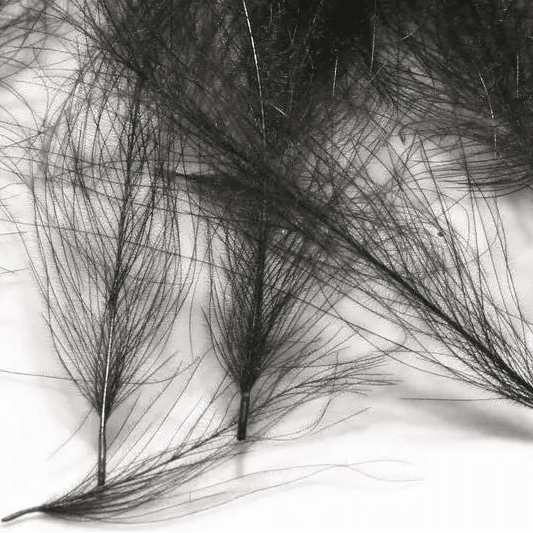
CDC Feathers: A fly tyer's guide to cul-de-canard
CDC, or cul-de-canard, is one of the most versatile natural fly tying materials for dry flies, emergers, and nymphs. Its finely branched fibers provide surface support and subtle movement, but feather selection and tying technique determine how well it performs. We break down CDC anatomy, practical tying methods, hook selection, and proper floatant use to help you build flies that hold the right posture and maintain their working profile.

The Best Fly Tying Vises for Beginners
Almost nobody's first vise is their last vise. But the first one still matters, because a vise that drops hooks teaches you the wrong lessons. Here are the five we recommend most, and how to match one to the flies you actually fish.
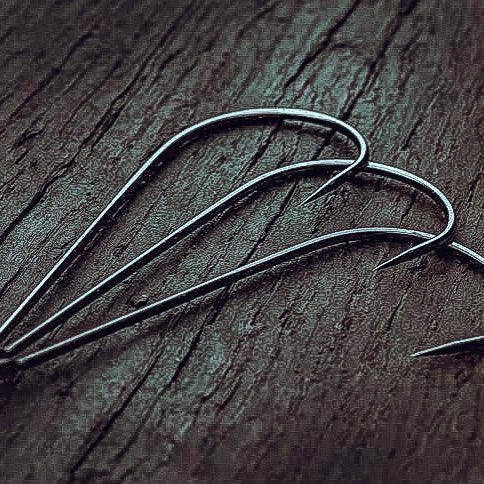
Chemically Sharpened Fly Hooks, Explained
Chemical sharpening refines a fly hook point, but sharpness is only one part of hook performance. Learn how point geometry, wire, temper and barb work together.
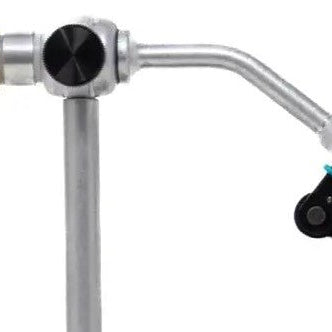
The Renzetti Traveler
Some tools solve a temporary problem. Others become permanent fixtures. The Renzetti Traveler belongs firmly in the second group, and the reasons are mechanical, not sentimental. We take a close look at what true rotary operation actually means, how the cam jaw system holds everything from #28 midges to 4/0 streamers, and why a vise this simple has outlasted decades of newer designs.
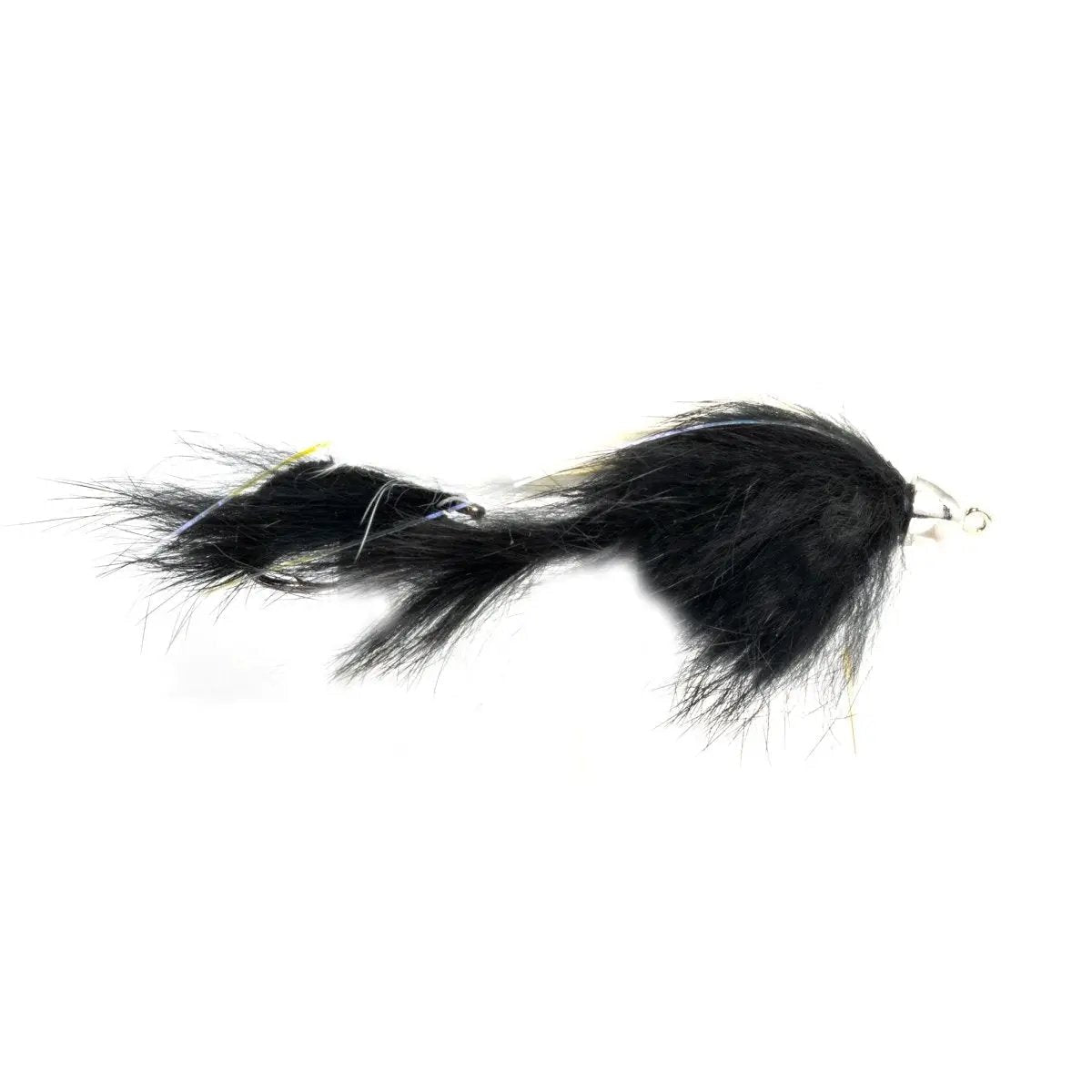
The Dali Lama Fly: Pattern, Design & How to Fish It
The Dali Lama combines forward weight, mobile rabbit and a trailing hook into one of Alaska’s most effective streamers. Learn the pattern mechanics and how to fish it.
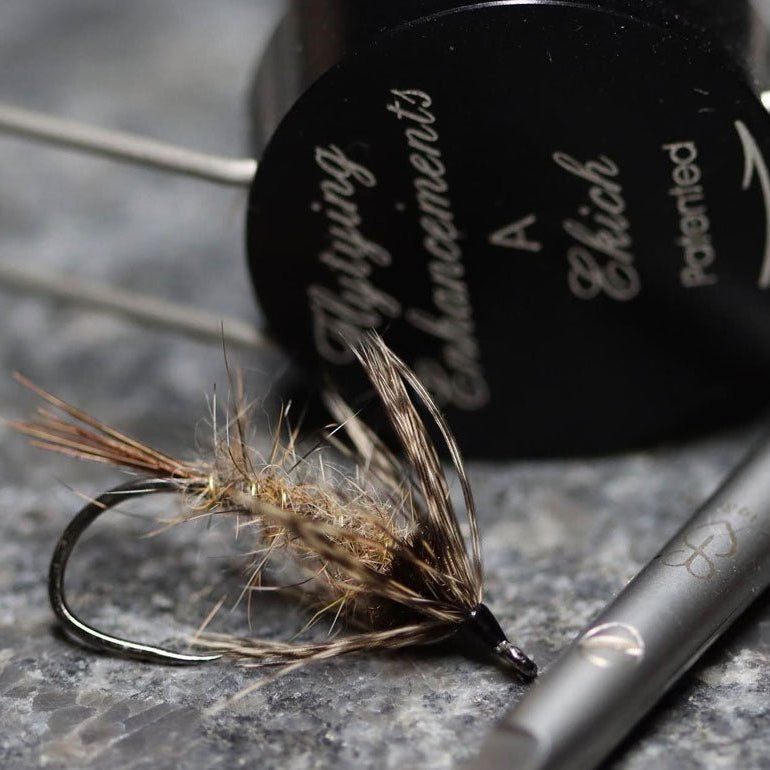
Fly Tying Hook Anatomy & Geometry: Gape, Wire, Point, Bend & Barb
Fly hooks are mechanical systems. Learn how gape, wire, point, bend, barb and eye geometry change penetration, fly profile and hook performance.
Fly Tying Brands We Carry


Fly Tying Resources
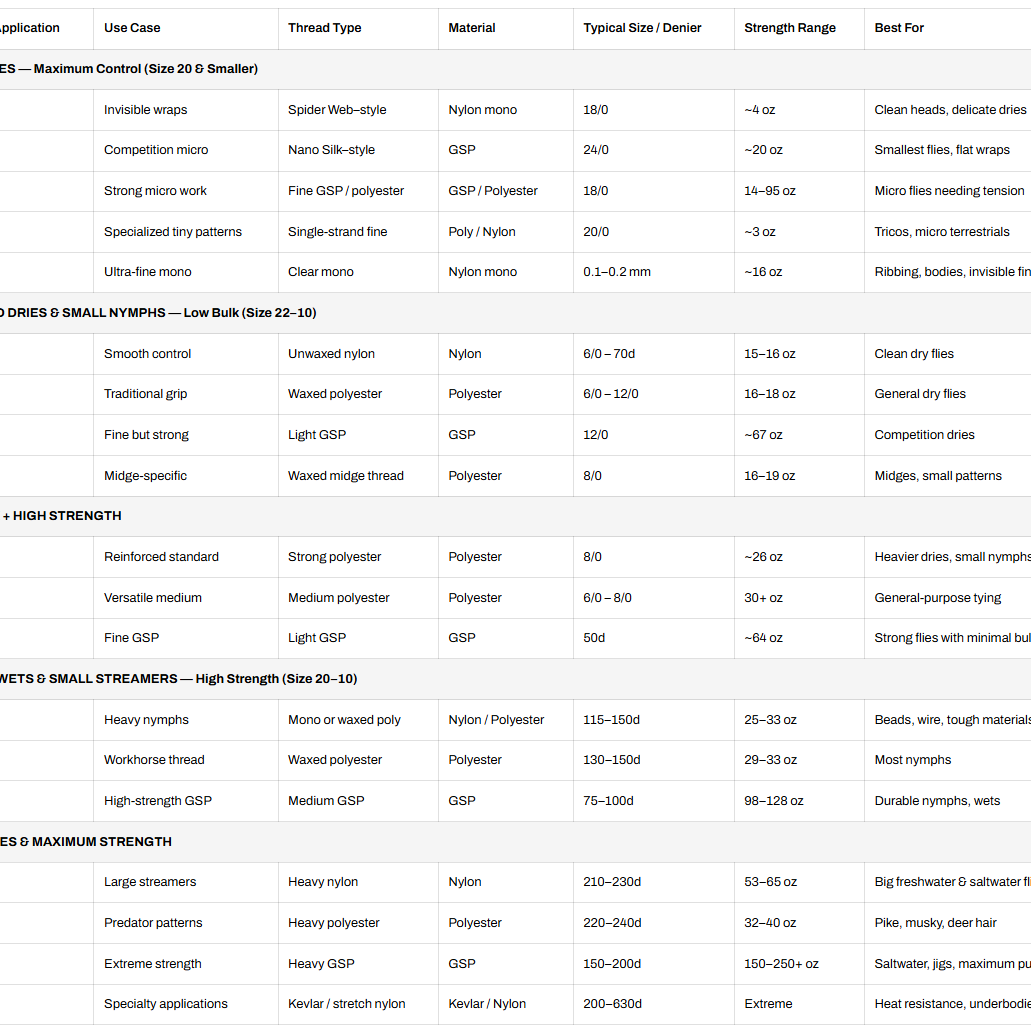
Fly Tying Thread Chart
Choosing the right fly tying thread is one of the most critical—and most misunderstood—decisions at the vise. Thread choice affects far more than durability alone; it determines how materials seat, how cleanly a fly is built, how much bulk is introduced, and how well a pattern holds up through repeated fish.
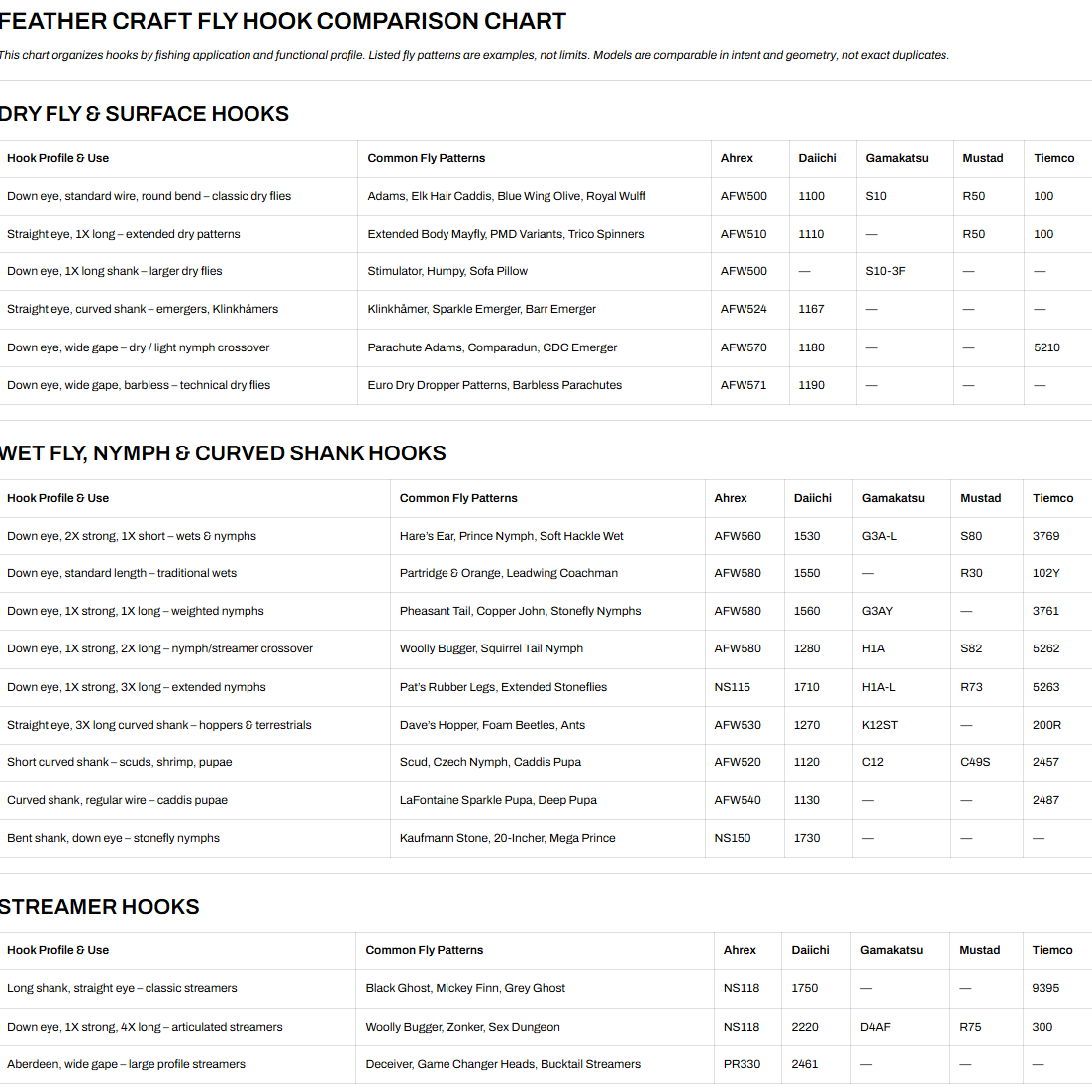
Fly Tying Hook Chart
Selecting the right fly hook is one of the most important decisions in fly tying. Hook style affects how a fly rides in the water, how materials behave, and how quickly a pattern sinks. The Feather Craft Hook Comparison Chart was created to remove guesswork by organizing fly hooks by function and fishing application.
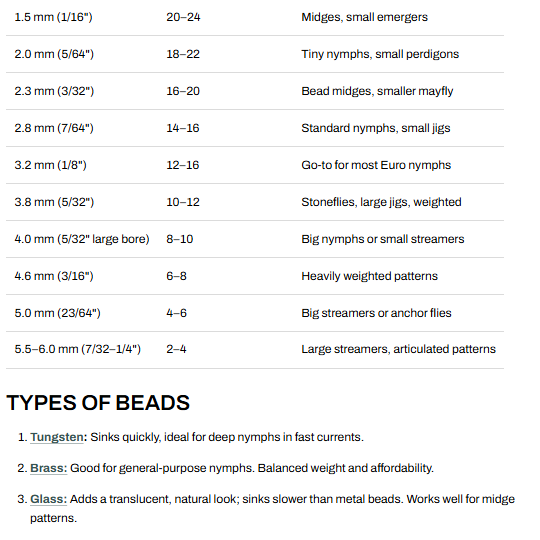
Fly Tying Bead to Hook Guide
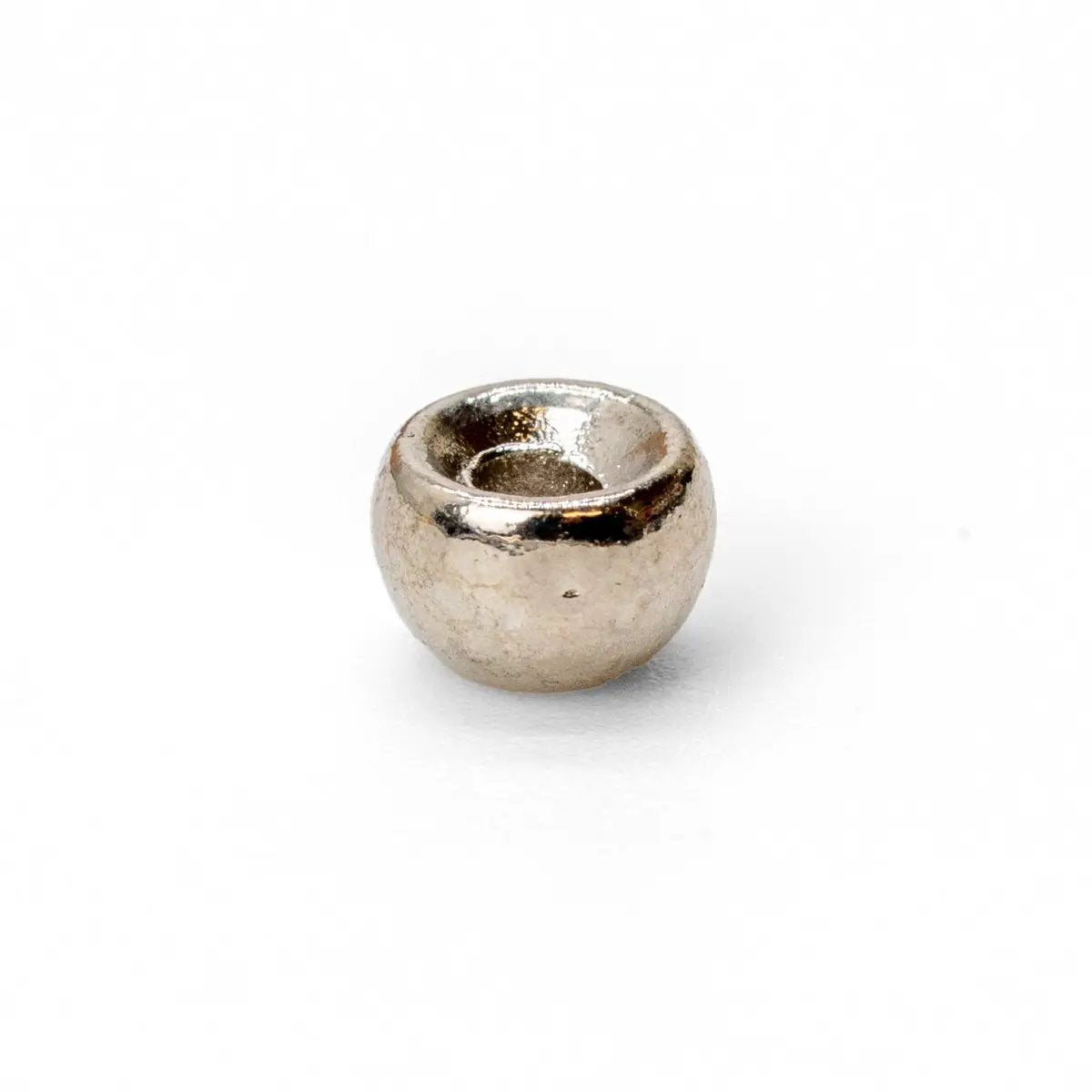
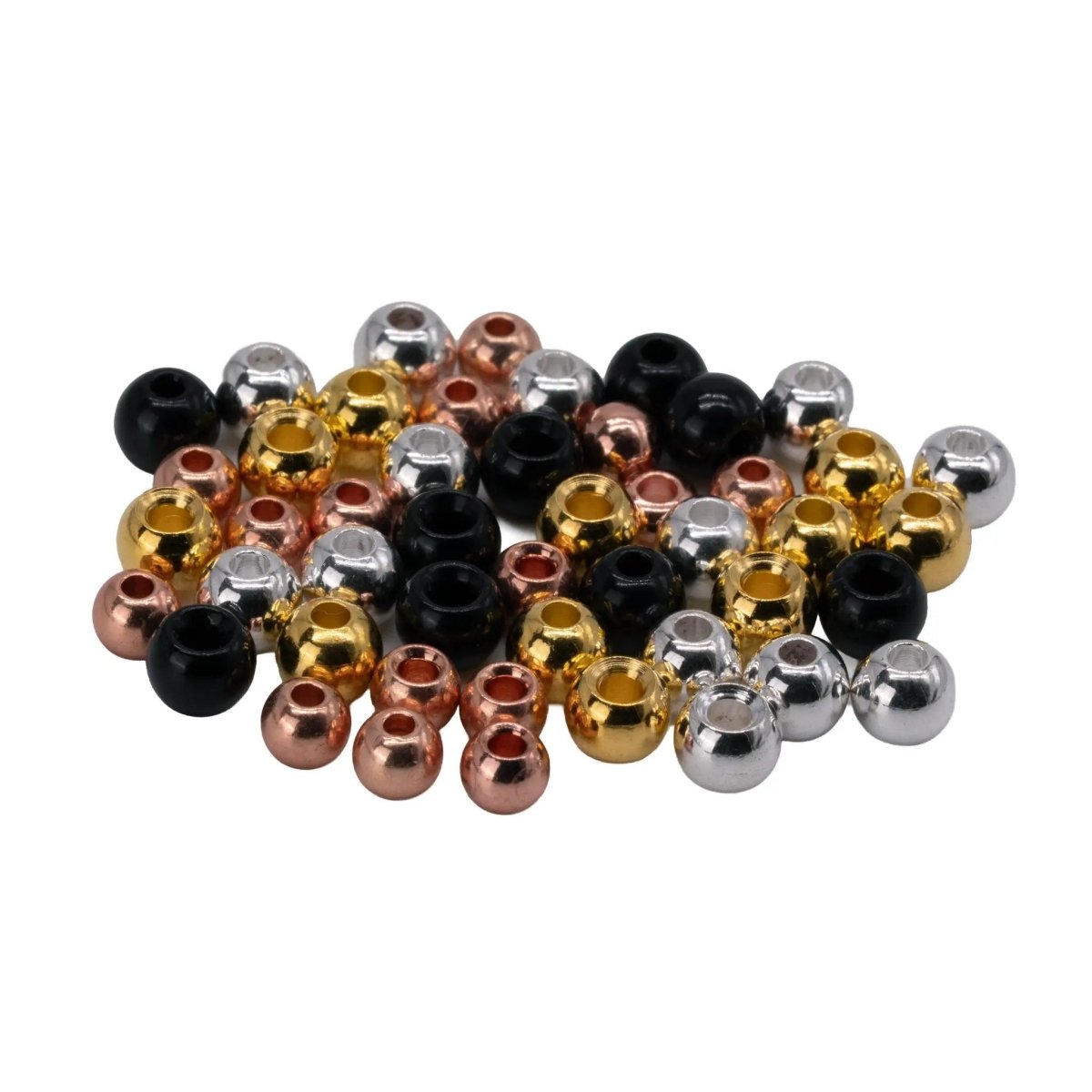
When it comes to fly tying, matching the right bead to your hook can make a huge difference in how your nymphs sink and present in the water. Too small a bead and your fly might drift unnaturally; too large, and it can look bulky or affect the hook’s action. This guide helps you choose the perfect bead size for your hook.
Fly Tying FAQ's
Find clear, expert answers to the most common fly tying questions—from choosing the right materials and tools to understanding techniques, patterns, and material performance. Backed by decades of experience since 1955, this FAQ is designed to help fly tiers at every level tie better flies with confidence and precision.
What is the difference between natural and synthetic fly tying materials?
Natural fly tying materials—such as feathers, fur, hair, and quill—offer organic texture, natural taper, and lifelike movement that is difficult to replicate. Materials like hackle, marabou, deer hair, and pheasant tail have inherent properties that influence flotation, motion, and silhouette in ways fish instinctively recognize.
Synthetic fly tying materials provide consistency, durability, and color stability across batches. They excel when uniformity matters or when tying flies that must withstand repeated strikes, abrasive mouths, or saltwater environments. Many modern patterns rely on synthetics for strength and repeatability while still incorporating natural materials for realism.
Most effective flies use a deliberate combination of both. Understanding when to use natural versus synthetic materials allows fly tiers to control performance, durability, and appearance with precision.
Where can I learn more about selecting fly tying materials?
Our Fly Tying Resources are built to answer real questions fly tiers encounter at the vise. You’ll find detailed tools like our Hook Comparison Chart, covering multiple brands and hook styles, including barbless options for catch-and-release fishing.
Our Hook Comparison Chart breaks down hook design and function, making it an ideal starting point for new tiers. The Bead & Hook Size Chart helps match beads to hooks with precision, and our Fly Tying Thread Chart clarifies the strengths and applications of the threads we carry. These references exist to make material selection faster, clearer, and more repeatable.
Are fly tying kits available?
Yes. We offer a range of fly tying kits designed to eliminate guesswork and get you tying efficiently. Kits may include essential tools such as a vise, scissors, and bobbin, or complete material assortments for specific patterns—hooks, thread, feathers, dubbing, and synthetics selected to work together. Options range from beginner setups to advanced pattern kits, covering dry flies, nymphs, and streamers.
All-in-one kits are ideal for new fly tiers who want a proven starting point, as well as experienced anglers looking to add reliable patterns to their rotation without sourcing materials individually.
How do I choose colors for my flies?
Color selection should be driven by visibility, contrast, and realism—not guesswork. Start by matching the natural insects or forage present, then adjust based on water clarity, light conditions, and depth. Subtle, natural tones excel in clear water and pressured fisheries, while darker or brighter colors create contrast in stained water or low light.
Confidence matters. If a color combination consistently produces, it’s worth tying in multiple variations. Over time, experience—and paying attention to conditions—will guide better decisions than any fixed rule.
How do I choose fly tying materials for trout fishing?
Material selection starts with imitation. Identify the insects or forage trout are feeding on, then choose materials that match size, profile, and behavior. Dry flies require lightweight hackle, fur, and fibers that support flotation and a natural footprint. Presentation matters, and your rod, line, and leader should complement the flies you’re tying.
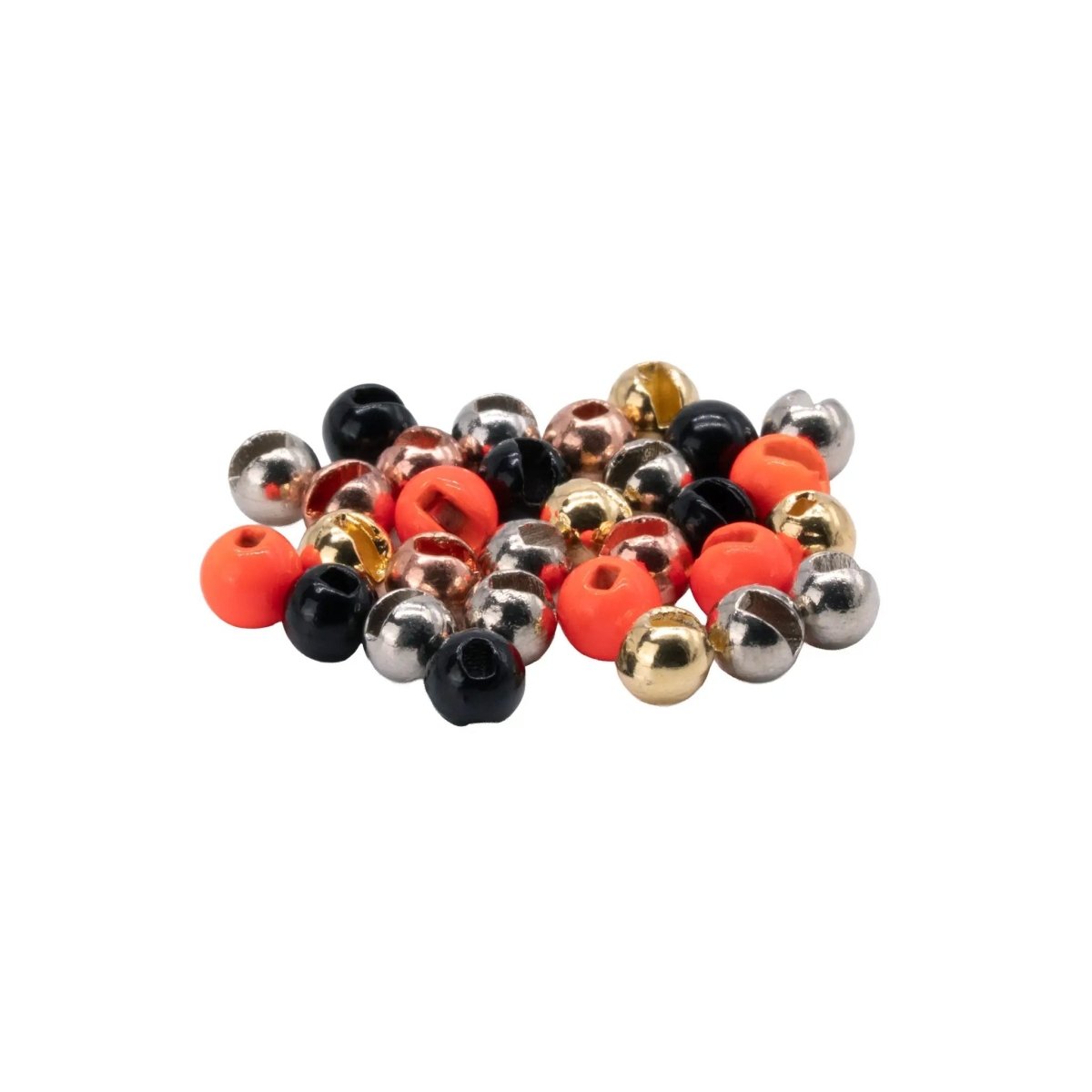
For nymphs and jig-style patterns, materials like pheasant tail, wire, and tungsten beads help flies sink quickly and maintain a controlled drift. Gear should always match the species and water—heavy saltwater setups are unnecessary for small-stream trout. We offer fly tying materials suited to both freshwater and saltwater applications, designed to integrate seamlessly with your tackle.
Where can I learn more about selecting fly tying materials?
First, check out this article for a brief eductation about what materials a beginner needs to start fly tying. Our fly tying resources are built to answer real questions fly tiers encounter at the vise. You’ll find detailed tools like our Hook Comparison Chart, covering multiple brands and hook styles, including barbless options for catch-and-release fishing.
Our Hook guide breaks down hook design and function, making it an ideal starting point for new tiers. The Bead & Hook Size Chart helps match beads to hooks with precision, and our Fly Tying Thread Chart clarifies the strengths and applications of the threads we carry. These references exist to make material selection faster, clearer, and more repeatable.